Indigenous Peoples of the Americas: Learning Resources
Explore the rich histories, diverse cultures, living traditions, and contemporary experiences of Indigenous peoples throughout North, Central, and South America, including the Caribbean.
This curated collection helps elementary educators introduce students to Indigenous peoples and communities across the Americas through accurate, respectful, and engaging resources. Discover Indigenous-created stories, interactive maps, videos, classroom activities, and teaching guides that highlight the distinct identities, languages, knowledge, traditions, and contributions of Indigenous peoples.
Indigenous peoples are not just part of history - they are vibrant communities preserving their heritage, sharing their knowledge, and shaping our world today.
Whether you're teaching during Native American Heritage Month in November, Indigenous Peoples' Day, or throughout the school year, these resources can help students develop curiosity, understanding, and respect for the many Indigenous cultures of the Americas.
Build a foundation for accurate, respectful teaching with resources that address common misconceptions, emphasize Indigenous perspectives, and recognize the diversity of Indigenous Nations and communities across the Americas.
Teaching Tips
➳ Be specific. Whenever possible, identify the particular Indigenous Nation, community, language, or region being studied.
➳ Teach in the present tense. Indigenous peoples are part of contemporary communities, not just history.
➳ Prioritize Indigenous voices. Choose books, videos, websites, and resources created by or in collaboration with Indigenous people.
➳ Avoid stereotypes and generalizations. No single cultural practice represents all Indigenous peoples.
➳ Include geography. Explore Indigenous homelands, relationships with land and water, languages, and the ways geography influences communities.
➳ Respect cultural traditions. Focus on understanding their meaning rather than recreating sacred or ceremonial practices.
Above all, help students recognize that Indigenous peoples throughout the Americas have distinct histories, identities, knowledge systems, and living cultures.
Maps, Homelands & Indigenous Nations
Explore interactive maps and geographic resources that help students discover Indigenous homelands, languages, and connections to the land. Learn how Indigenous peoples have shaped - and continue to shape - the landscapes and communities of the Americas.
➳ Native Land Which Indigenous land are you on? Use this interactive map to see which Native territories have inhabited different regions of the Americas, based on historical and Indigenous sources.
➳ Download the Teacher's Guide for detailed instructions on using the map and an introductory lesson.
➳ Tribal Nations Maps - a Native American-owned company selling maps, posters, flags, puzzles and more.
Living Cultures Across the Americas
Discover the languages, arts, music, storytelling, traditions, and knowledge of Indigenous communities today. These resources celebrate cultural continuity while showing how traditions are preserved, shared, and adapted across generations.
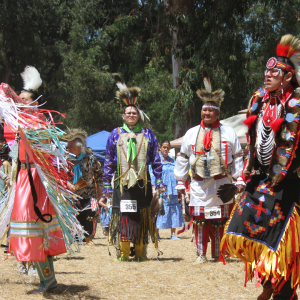
➳ Native American Games & Sports Explore traditional games and sports played by Indigenous peoples of North America, including lacrosse, snow snake, chunkey, and ring-and-stick.
➳ Music Across the Americas, there are many different Native cultures, each with unique musical traditions. The National Museum of the American Indian and other branches of the Smithsonian include music and sound-related objects from many of these cultures in their collections.
➳ North America: Contemporary Indigenous Artist Spotlights Explore Indigenous artists through interviews, biographies, artwork, and lessons.
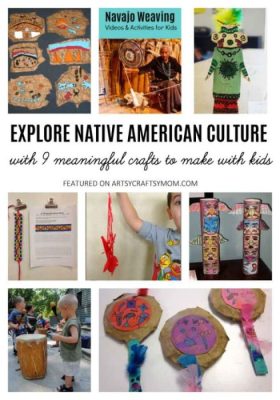
➳ Crafts -Artsy Craftsy Mom
Indigenous Voices & Picture Books
Bring authentic Indigenous perspectives into your classroom through engaging picture books, biographies, traditional stories, and contemporary narratives.
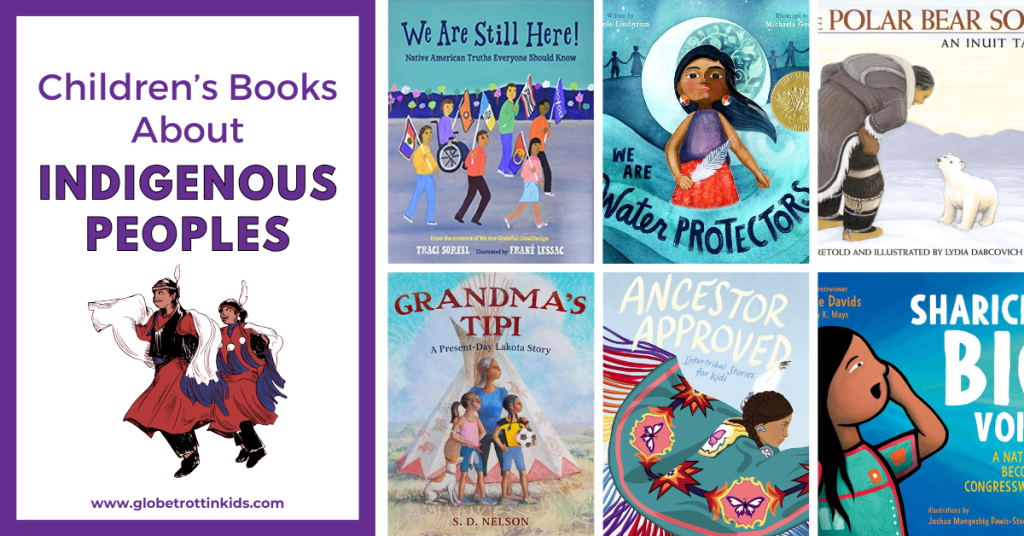

Explore the important story of American Indians in Issue 15, A Native Story, as told in their own words. From Indian boarding schools to powwows and horses, kids will learn all about this amazing group of people and discover some of the harder truths about American history.
Use coupon code GLOBETROTTINKID for 10% off.
Classroom Lessons & Activities
Find ready-to-use lessons, videos, interactive activities, and hands-on learning experiences that connect Indigenous histories and cultures to geography, literacy, science, art, and social studies.
National Indian Education Association PK-12 resources include:
- exploring the various types of Native American dolls from the perspective of various Native American doll makers. Students make their own cornhusk dolls.
- learning about the significance of Lacrosse and Snow Snake to Haudenosaunee people, and making their own sticks for outdoor fun.
- learning about the Choctaw Code Talkers and their influence on secret communications during WWI. Students create their own secret code.
- identifying the importance of music within a culture, and recognizing the significance of the shaker and drum in the Native culture.
- celebrating Joy Harjo (Muscogee Creek), the first Native American chosen to be the US Poet Laureate.
- learning the history and significance of fry bread for the Navajo Nation. Also included is a recipe for fry bread.
Lessons of Our Land The nonprofit Indian Land Tenure Foundation (LTF) developed free lesson plans for grades PK-12. The more than 200 lessons include histories, languages and cultures that center Native American issues and values while emphasizing the fundamental relationship between all people and the land.
- Mother Earth (Pre-K): Students learn about their connection to the land through storytelling and other activities.
- Buffalo Dreams (K-2): Through text, song, and images, students explore names for buffalo, their traditional uses and legacy to Indian peoples of Montana.
- Comparing Tribal Origin Stories (3-5): Students learn about origin stories of tribes and how to demonstrate respect for others’ beliefs.
- Challenges to Land and Water Rights (6-8): Students read about and discuss internal and external challenges facing tribes as they struggle for land and water rights.
- Losing the Land (9-12): Students analyze a primary document to determine the intention of federal policy and explore its impact on a particular tribe.
Native Knowledge 360° (NK360°) provides educators and students with new perspectives on Native American history and cultures.
Most Americans have only been exposed to part of the story, as told from a single perspective through the lenses of popular media and textbooks. NK360° provides educational materials, virtual student programs, and teacher training that incorporate Native narratives, more comprehensive histories, and accurate information to enlighten and inform teaching and learning about Native America.
NK360° challenges common assumptions about Native peoples and offers a view that includes not only the past but also the vibrancy of Native peoples and cultures today.
- The "First Thanksgiving" How Can We Tell a Better Story? This inquiry resource provides evidence to help teachers and students dispel the myth of the "First Thanksgiving." Examine historical details, circumstances, choices, and events that include Wampanoag perspectives. Grades: 3-5
- Caribbean: Taíno: Native Heritage and Identity in the Caribbean Learn about the living legacy of the Taíno! There is a growing movement of Taíno peoples celebrating their Native heritage. This movement challenges the belief that Native peoples in the Caribbean became extinct. Grades 4-12
- Central America and Mexico: Living Maya Time Explore Maya knowledge of astronomy, mathematics, calendars, agriculture, and contemporary life. The bilingual resource includes videos, games, activities, and educator guidance.
- South America: The Great Inka Road: Engineering & Innovation Investigate the historic Inka road system, terraced agriculture, water management, and the Q'eswachaka grass bridge in Peru. Includes interactive maps, photographs, videos, and hands-on engineering activities, along with examples of Indigenous communities maintaining knowledge and traditions today.
How To Celebrate and Honor Indigenous Peoples' Day -We Are Teachers