Children's Books About Indigenous Peoples
Disclosure: This page contains affiliate links. By clicking through and making a purchase, we receive a small commission at no extra charge to you. All proceeds help support our free global education website. Thank you!
UNITED STATES & CANADA
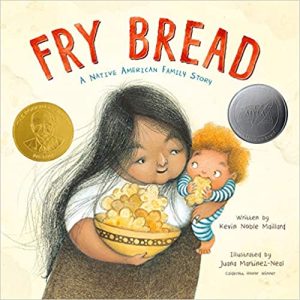
More than a favorite food, fry bread represents family, history, identity, and belonging for many Native American families. Through lyrical text and warm illustrations, this story celebrates the diversity, resilience, and shared traditions of Native communities.
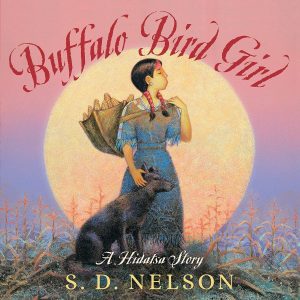
Based on the memories of Buffalo Bird Woman, this illustrated biography brings to life the childhood of a Hidatsa girl growing up along the Missouri River in the 1800s. Readers discover daily life, farming, family traditions, and the community knowledge passed between generations.
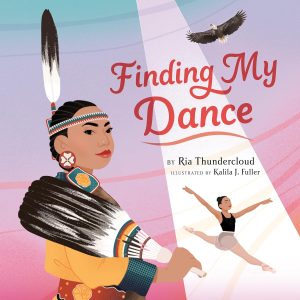
Professional dancer Ria Thundercloud shares how her love of dance helped her celebrate her Ho-Chunk and Sandia Pueblo heritage. From powwows to professional performances, her story highlights cultural pride, perseverance, and the importance of following your passions.
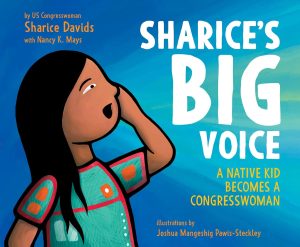
Follow the inspiring journey of Sharice Davids, a member of the Ho-Chunk Nation who grew up to become one of the first Native American women elected to Congress. Her story encourages children to embrace their identities, use their voices, and make a difference.
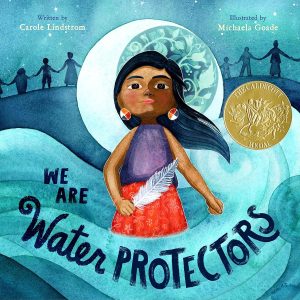
Inspired by Indigenous-led movements to protect water, this beautifully illustrated story follows a young girl who stands up against a threat to her community's most precious resource. It celebrates Indigenous environmental stewardship, courage, and our shared responsibility to care for the Earth.
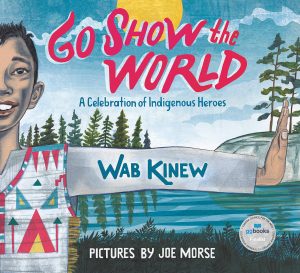
Meet remarkable Indigenous leaders, athletes, artists, and changemakers from the United States and Canada, past and present. Through rhythmic language and vibrant illustrations, this inspiring book celebrates Indigenous achievements, resilience, and the power of believing in yourself.
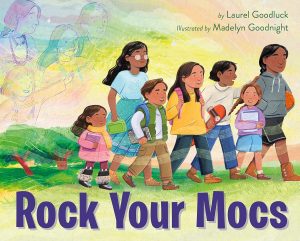
Celebrate Native pride as Indigenous children from different Nations wear their moccasins for Rock Your Mocs Day. Through colorful illustrations and lively verse, this joyful story highlights cultural identity, creativity, and traditions that connect generations.
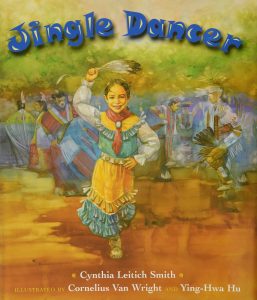
Jenna, a young Muscogee girl, dreams of performing the jingle dance at an upcoming powwow. With help from the women in her family and community, she discovers the importance of generosity, cultural traditions, and connections across generations.
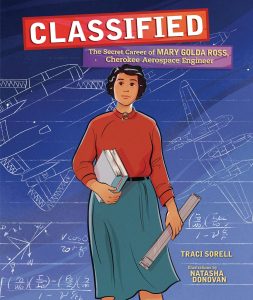
Discover the inspiring true story of Mary Golda Ross, a Cherokee mathematician and pioneering aerospace engineer who helped advance aviation and space exploration. Her remarkable career highlights perseverance, STEM achievement, and the influence of Cherokee values.
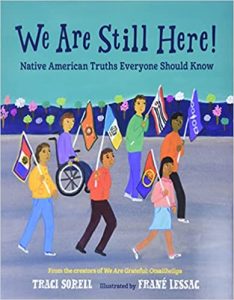
Twelve Native American children introduce readers to important events, challenges, and accomplishments in Native history and contemporary life. This informative picture book highlights tribal sovereignty, cultural resilience, and the ongoing contributions of Native Nations.
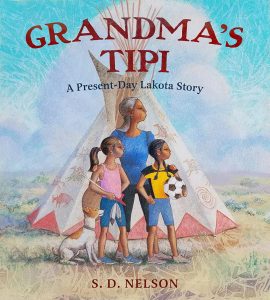
Clara spends the summer with her grandmother and cousin on the Standing Rock Reservation, where she discovers the significance of a family tipi passed down through generations. This heartwarming story celebrates Lakota traditions, family connections, and cultural heritage in contemporary Native life.
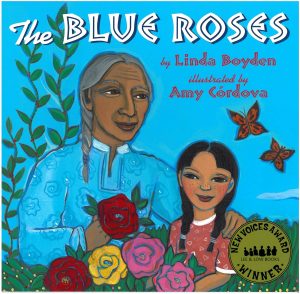
Rosalie shares a special bond with her grandfather as they tend their garden and watch it change through the seasons. When her grandfather passes away, she finds comfort in their shared memories and the mysterious appearance of blue roses. This touching story celebrates family, love, loss, and the connections between generations.
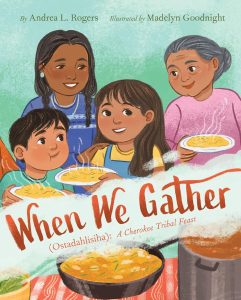
A young Cherokee girl joins her family in gathering wild onions to prepare for a traditional spring feast. Through this joyful celebration of food and community, readers discover how Cherokee families share cultural traditions, honor seasonal connections, and strengthen relationships across generations.
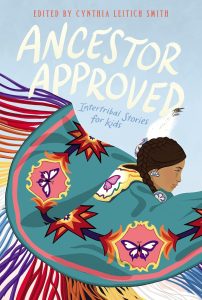
This collection of interconnected stories and poems by Indigenous authors follows Native children and families gathering for an intertribal powwow. Through friendship, humor, dance, and shared experiences, readers explore the diversity of contemporary Native identities, traditions, and communities.
This collection of interconnected stories and poems by Indigenous authors follows Native children and families gathering for an intertribal powwow. Through friendship, humor, dance, and shared experiences, readers explore the diversity of contemporary Native identities, traditions, and communities.
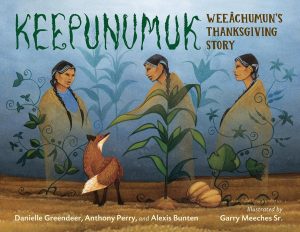
Through a grandmother's storytelling, two Wampanoag children learn about Weeâchumun, the spirit of corn, and their ancestors' role in helping European settlers survive and grow food. Told from a Wampanoag perspective, this picture book offers a more complete understanding of the events surrounding the first Thanksgiving while honoring Indigenous knowledge and traditions.
ARCTIC
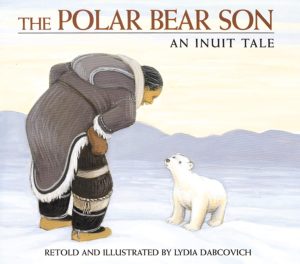
In this traditional Inuit tale, a lonely woman raises an orphaned polar bear cub as her own son. When the bear must return to the wilderness, their loving bond continues in a touching story of family, gratitude, and the relationship between people and animals in the Arctic.
MEXICO
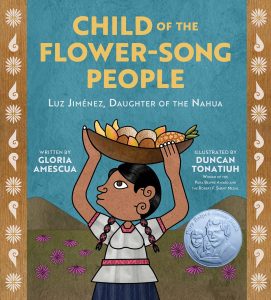
An illustrated biography of Luz Jiménez, an Indigenous Nahua woman who helped preserve and share her people's language, traditions, and history through her work with artists and scholars.|
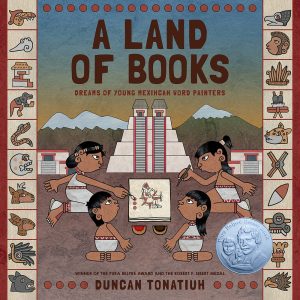
A young Mexihcah girl describes how her family creates painted manuscripts called codices. The book celebrates Indigenous systems of recording knowledge, science, history, and culture before European colonization.
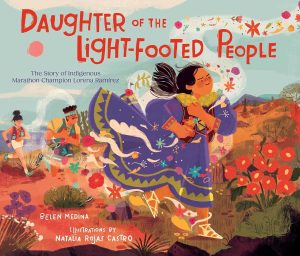
A nonfiction picture book about Lorena Ramírez, a contemporary Rarámuri ultramarathon runner from Mexico's Copper Canyon region. An excellent way to introduce a living Indigenous community through an accomplished athlete rather than focusing only on traditional customs.
CENTRAL AMERICA
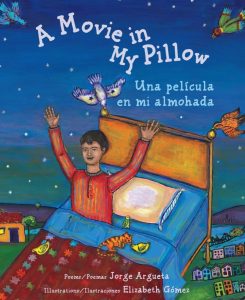
Bilingual poems about a Salvadoran child adjusting to life in San Francisco while remembering his homeland. Argueta identifies as Pipil Nahua, making this a valuable opportunity to feature an Indigenous Salvadoran author's voice.
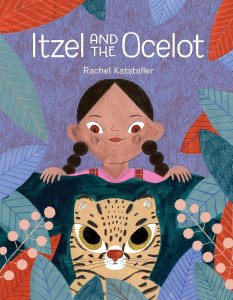
Inspired by a traditional Indigenous story from El Salvador, a young girl journeys into the forest hoping to bring back the rain. The book uses Nawat vocabulary and highlights the relationship between people and the natural environment.
SOUTH AMERICA
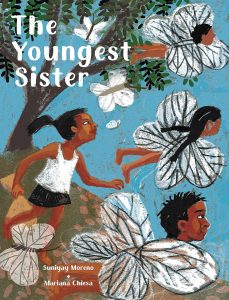
Written by a Quechua author, this story follows a young Quechua girl named Picu as she travels through the Andean foothills of Argentina on an errand for her family. The story offers a child's perspective on everyday life, family responsibilities, imagination, and resourcefulness.
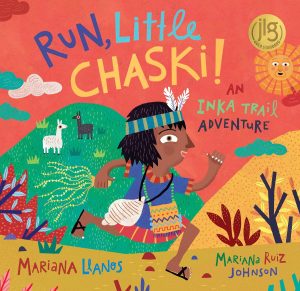
A young messenger travels along the Inka road system to deliver an important message. The story introduces the role of chaskis, the Andes' geography, and the ingenuity of Inka communication systems.
12 Facts About the Inka - A Companion to Run, Little Chaski!
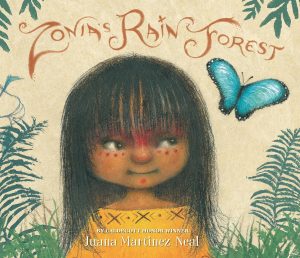
Zonia, a young Asháninka girl, explores the wonders of the Peruvian Amazon rainforest, where she feels deeply connected to the animals and natural world around her. When she discovers that her beloved forest is threatened, she learns the importance of protecting her home and its living treasures.
THE CARIBBEAN
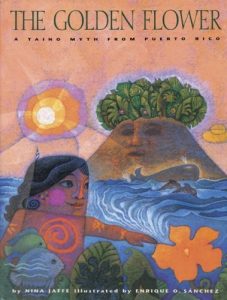
A retelling of a Taíno creation story explaining how the island of Boriquén (Puerto Rico) came to be, with themes of nature, water, and community.