From Pongal to Thanksgiving: Exploring Global Harvest Traditions
As the leaves turn golden and November brings thoughts of gratitude and abundance, it’s a wonderful time to help students explore how people around the world give thanks for the earth’s harvest.
Every culture has unique ways of expressing gratitude for nature’s gifts – through food, music, dance, and community gatherings.
Teaching about global harvest festivals not only connects students to cultural traditions but also helps them appreciate our shared dependence on the land and one another.
Disclosure: This post contains affiliate links. By clicking through and making a purchase, we receive a small commission at no extra charge to you. All proceeds help support our free global education website. Thank you!
Harvest celebrations are among the oldest traditions in the world. They reflect the rhythms of nature, the importance of community, and the universal act of giving thanks. When students learn about harvest festivals in different countries, they:
- Recognize common values such as gratitude, generosity, and cooperation.
- Gain geographic awareness by locating where celebrations take place.
- Make cross-curricular connections to social studies, science, and language arts.
- Build empathy and curiosity for cultures and traditions beyond their own.
Global Examples of Harvest Celebrations
Pongal (India)
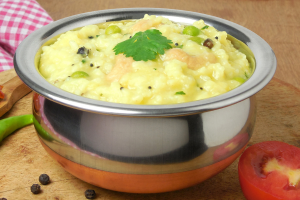
Pongal marks the rice harvest in southern India and is a joyful expression of gratitude for a bountiful season. Farmers honor the sun, the earth, and their cattle for helping bring in the crop. Families cook a special rice dish, also called Pongal, letting it boil over as a sign of abundance. Homes are decorated with colorful kolam (chalk designs), and cows – symbols of prosperity – are honored with flower garlands.
Classroom Connection:
Create paper kolam patterns using colored chalk or sand and learn about the importance of rice in Indian cuisine and culture.
CHECK THIS OUT! Mathematical Art: Kolam (lesson plan)
Chuseok (South Korea)
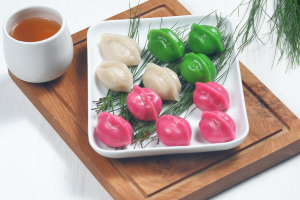
Chuseok celebrates the rice and grain harvest, one of the most important times of year in Korea. Families gather to honor their ancestors and share freshly harvested foods like songpyeon — half-moon rice cakes filled with sesame or beans. The festival also features traditional games, dances, and the wearing of hanbok (traditional Korean clothing).
Classroom Connection:
Host a mini Chuseok celebration with storytelling, Korean music, and simple paper hanbok crafts.
Erntedankfest (Germany)
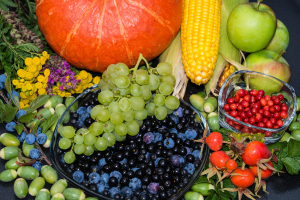
Erntedankfest, or Harvest Thanks Festival, celebrates the harvest of grains, fruits, and vegetables across Germany. It often takes place in late September or early October. Churches and town squares are decorated with wheat sheaves, pumpkins, apples, and corn. Parades and processions feature children carrying baskets of produce and colorful harvest wreaths.
Classroom Connection:
Invite students to design a classroom harvest display or wreath filled with local fruits and vegetables. Discuss how food travels from farms to their tables.
Thanksgiving (United States and Canada)
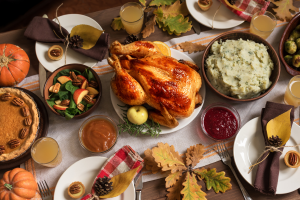
Thanksgiving celebrates the autumn harvest – traditionally corn, pumpkins, squash, and other crops that sustained early settlers and Indigenous peoples. Families and friends gather for a shared meal to express gratitude for the year’s blessings. It’s also an opportunity to honor Native American harvest traditions that long predate the holiday.
Classroom Connection:
Read diverse picture books that broaden the Thanksgiving narrative and include Indigenous voices. Encourage students to create gratitude journals or class murals highlighting things they’re thankful for.
Green Corn Ceremony – Native American Nations of the Southeastern U.S.
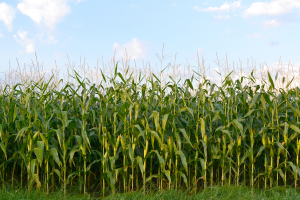
The Green Corn Ceremony is a Native American harvest celebration traditionally held by several Southeastern nations, including the Muscogee (Creek), Cherokee, and Seminole. The ceremony marks the ripening of the corn, a sacred crop that represents life and sustenance. Communities come together to give thanks for the harvest, renew friendships, and reflect on harmony and balance with nature. The festival includes dancing, singing, and feasting on corn-based foods.
Classroom Connection:
Discuss how corn has been an important food source and cultural symbol across the Americas. Create corn-inspired art, such as corn husk dolls or a beaded corn craft.
Yam Festival (Ghana and Nigeria)
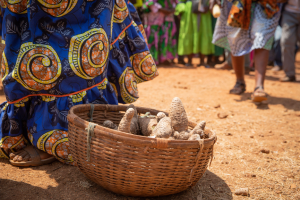
The Yam Festival celebrates the yam harvest, a staple food in many parts of West Africa. The first yams are offered to gods and ancestors to show thanks before being shared in feasts with music, drumming, and dancing. The festival marks the end of the rainy season and the start of a new harvest cycle.
Classroom Connection:
Show photos or short videos of the festival. Have students taste (or research) yams and compare them to other root vegetables students may know, like sweet potatoes.
Moon Festival (China and Vietnam)
The Mid-Autumn Festival celebrates the harvest of rice, fruits, and tea under the year’s fullest moon. Families reunite to share mooncakes – round pastries symbolizing unity and completeness – and to admire the bright harvest moon. Lanterns light up streets and homes, and stories of the moon goddess Chang’e are told.
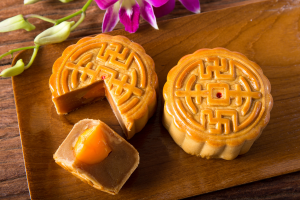
Classroom Connection:
Have students make paper lanterns, read the legend of Chang’e, and locate the countries that celebrate this festival on a world map.
RELATED POST: Discover the Mid-Autumn Moon Festival (information, resources, free printables)
A Global Message of Gratitude
Exploring global harvest festivals reminds children that gratitude is a universal value. No matter where we live or what foods we grow, we all depend on the earth – and each other – for nourishment and community.
Global Harvest Activity Ideas
Create a World Harvest Map
- Plot each celebration on a world map.
- Add dates, pictures, foods, and symbols for each festival.
Compare and Contrast Writing
- Use Venn diagrams to compare two festivals, such as Chuseok and Thanksgiving.
STEM Connection: Food Miles Investigation
- Research how far certain foods travel to reach your table and discuss sustainability and local farming.
Global Harvest Children’s Books
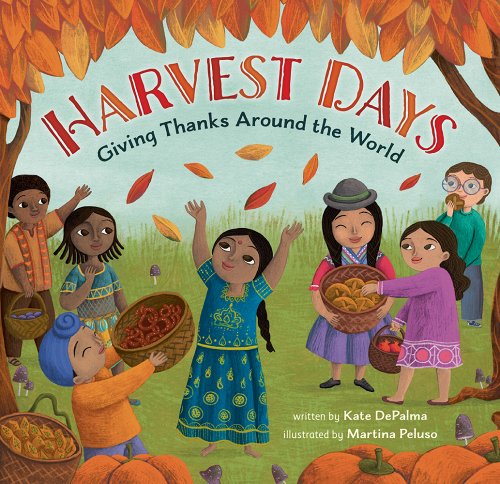
Celebrate harvest festivals from 12 cultures around the globe! Immerse young readers in some of the most ancient traditions in the world, from rice harvests in India to friendly food fights with tomatoes in Spain. -Amazon
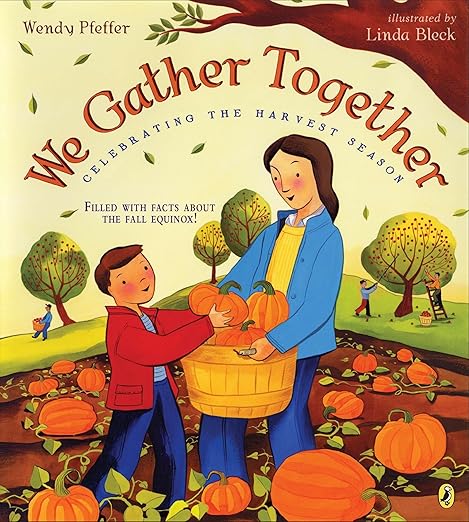
For many cultures around the world, the fall equinox represents a time to celebrate the harvest and begin collecting and storing crops. –Amazon
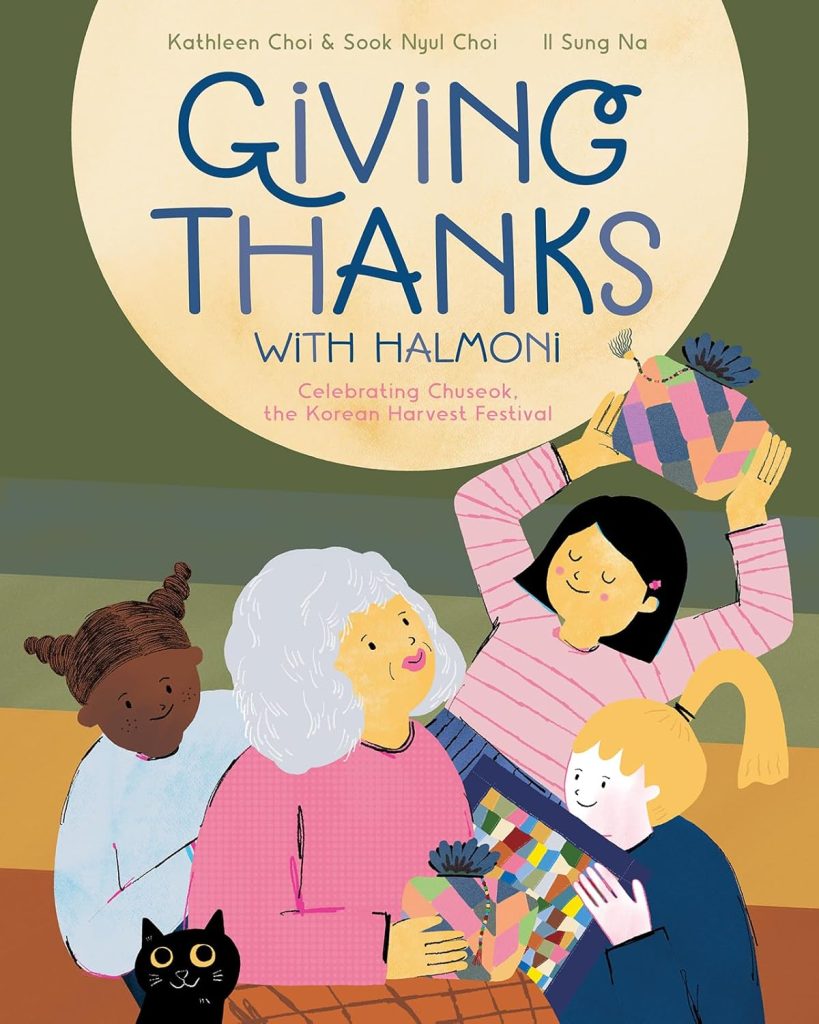
As the moon grows fuller each night, Su-Jin’s halmoni (grandmother) prepares for the biggest Korean holiday of the year—a time for family, gratitude, and remembrance. –Amazon
Read our review & download a free teaching guide from the publisher, Red Comet Press.

Delve into the beauty of family, cultural heritage, and celebration as Afam embarks on a magical journey to Nigeria, discovering the rich traditions of the New Yam Festival. –Amazon
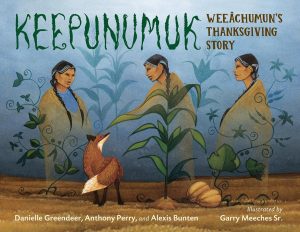
Discover the first Thanksgiving through Wampanoag eyes, as the Native Americans teach the Pilgrims to grow the three sisters – corn, beans, and squash – for a successful harvest. –Amazon
Photo Credits: Pongal: indiaphotos from Getty Images | Chuseok: Edy Gunawan from Getty Images | Erntedankfest: Andreas Steidlinger from Getty Images | Thanksgiving: Mizina from Getty Images Pro | Green Corn Ceremony: miff32 from Getty Images | Yam Festival: Matteo Guedia from Alamy | Mid-Autumn Festival: voraorn from Getty Images