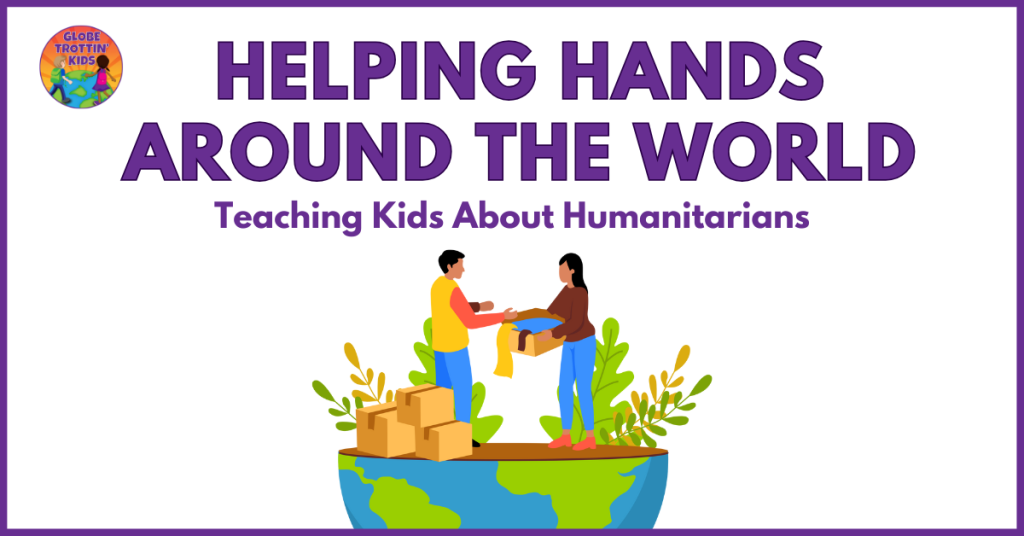
Helping Hands Around the World: Teaching Kids About Humanitarians
Every child has the potential to change the world. By introducing elementary students to the idea of a humanitarian – someone who works to improve the lives of others – we can help nurture empathy, compassion, and a sense of global responsibility from an early age.
In this post, you’ll find definitions, examples, and meaningful activities to help students understand what it means to be a humanitarian – and to consider how they can make a difference too.
What Is a Humanitarian?
A humanitarian is a person who works to help others, especially people who are suffering or facing difficult circumstances. Humanitarians care deeply about people’s well-being and take action to bring about positive change, often through helping those affected by poverty, conflict, disasters, or injustice.
Related Vocabulary Words
- Compassion – Feeling concern for someone who is suffering and wanting to help.
- Empathy – Understanding how someone else feels and imagining what it’s like to be in their situation.
- Kindness – Being caring, generous, and thoughtful to others.
- Justice – Fairness and the idea that all people deserve equal rights and opportunities.
- Community service – Volunteering to help others in your community.
- Advocate – Someone who speaks up for the rights and needs of others.
Famous Humanitarians Around the World
Here are five inspiring humanitarians to introduce to your students. These individuals come from different countries and backgrounds, but all share the goal of making the world a better place.
Mother Teresa (Albania/India)
- A Catholic nun who dedicated her life to helping the sick and poor in India.
- She founded the Missionaries of Charity, a group that cares for people who are homeless, ill, or in need.
- Read or listen to Mother Teresa for Kids | Bedtime History
José Andrés (Spain/USA)
- A chef who started World Central Kitchen, which brings food to people in disaster areas.
- He and his team have served millions of meals to those affected by hurricanes, wars, and other crises.
- Read A Plate of Hope: The Inspiring Story of Chef José Andrés and World Central Kitchen
Abdul Sattar Edhi (Pakistan)
- A humanitarian who founded the Edhi Foundation, one of the largest volunteer ambulance and rescue services in the world.
- He helped poor and sick people in Pakistan for over 60 years.
- Facts for Kids
Clara Barton (United States)
- A nurse who started the American Red Cross to help people during natural disasters and wars.
- Read or listen to Clara Barton for Kids | Bedtime History
Fred Hollows (Australia)
- An eye surgeon known for his dedication to helping people see.
- He traveled to countries like Nepal and Vietnam, performing surgeries and training local doctors.
- Read about the important work of Fred Hollows.
“Go Further” Activities
Encourage deeper learning with these engaging classroom or independent activities:
1. Humanitarian Spotlight Poster
Have students research a humanitarian and create a poster with key facts, a quote, and how that person made a difference.
2. Kindness Challenge
Ask students to brainstorm ways they can be humanitarians in their own school or community. Create a class kindness wall or track acts of service throughout the month.
3. Global Goals Connection
Introduce the UN’s Sustainable Development Goals (SDGs) and help students match each humanitarian to a goal they helped support (e.g., gender equality, zero hunger, quality education).
4. Interview a Local Hero
Encourage students to interview a community member who helps others – a firefighter, nurse, volunteer, etc. – and share their findings in a presentation or short report.
5. Write a Letter
Have students write a thank-you letter to a humanitarian, living or past, explaining how they were inspired by their story.
Teaching students about humanitarians opens the door to meaningful conversations about empathy, justice, and global citizenship. By learning from the actions of others, students begin to see how even small acts of kindness can create real change. Whether it’s through reading, writing, or community action, every student can take a step toward becoming a humanitarian too.
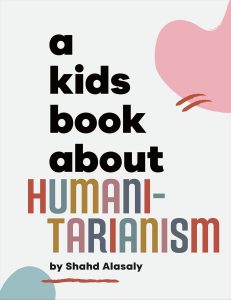
This is a kids’ book about humanitarianism. “Humanitarian” is a BIG word that really just means being a kind, compassionate person who has empathy for others. Does that sound like you? Great!
This book was made to help kids aged 5-9 learn what it means to be a humanitarian, and how they can help their communities using the gifts and talents that make them special. Small acts of kindness go a long way! –Amazon
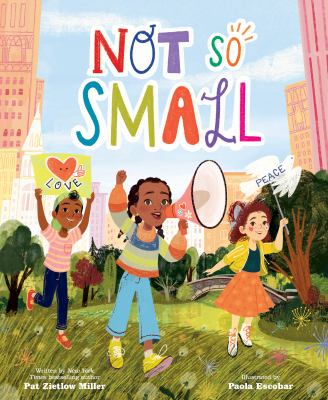
This joyful book celebrates the many ways people can join together to become something bigger—an unstoppable force. Each and every one of us can use our voices to make a difference! –Amazon
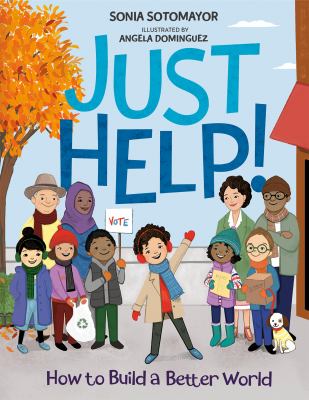
In a story inspired by her own family’s desire to help others, Supreme Court Justice Sonia Sotomayor takes young readers on a journey through a neighborhood where kids and adults, activists and bus drivers, friends and strangers all help one another to build a better world for themselves and their community. –Amazon