Discovering Naadam: A Festival of Mongolian Culture
Each July, Mongolia comes alive with one of its most treasured celebrations: Naadam. This vibrant national festival brings together history, sport, music, traditional clothing, food, and community pride in a joyful celebration of Mongolian culture.
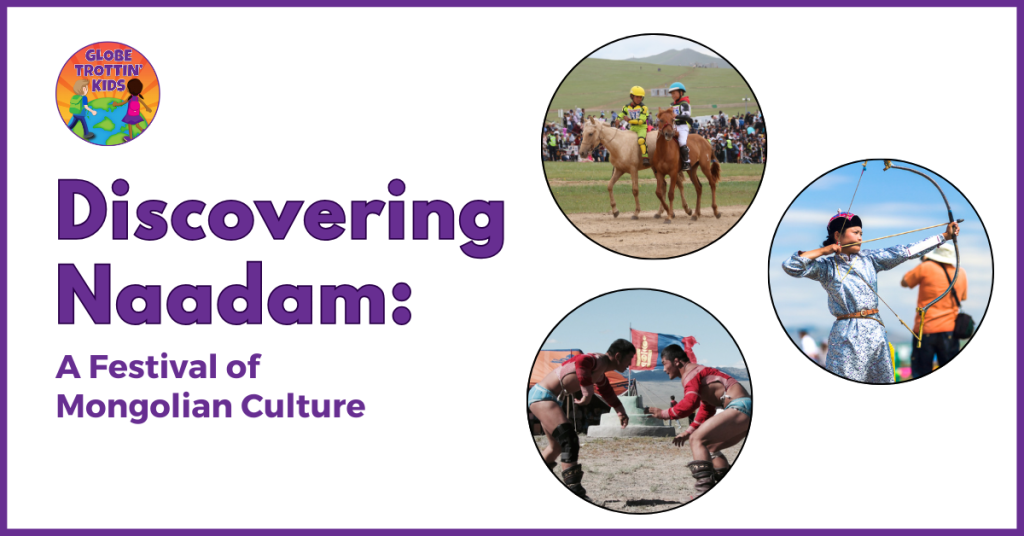
Naadam is best known for its three traditional competitions: wrestling, horse racing, and archery. Together, these events are often called the “Three Manly Games,” though today, women and children also participate in some events, especially archery and horse racing. More than a sporting event, Naadam is a powerful expression of Mongolia’s nomadic heritage, national identity, and community spirit.
What Is Naadam?
Naadam is Mongolia’s largest and most widely celebrated festival. It takes place every year from July 11–13, with the biggest celebrations held in the capital city of Ulaanbaatar. Smaller Naadam festivals are also celebrated in towns and countryside communities across Mongolia.
The word Naadam means “games” or “festival” in Mongolian. During the celebration, people gather to watch athletic competitions, enjoy traditional performances, wear colorful clothing, and celebrate the customs that have been passed down through generations.
Naadam is such an important part of Mongolian culture that it has been recognized by UNESCO as an example of intangible cultural heritage.
The Three Main Events of Naadam
Mongolian Wrestling
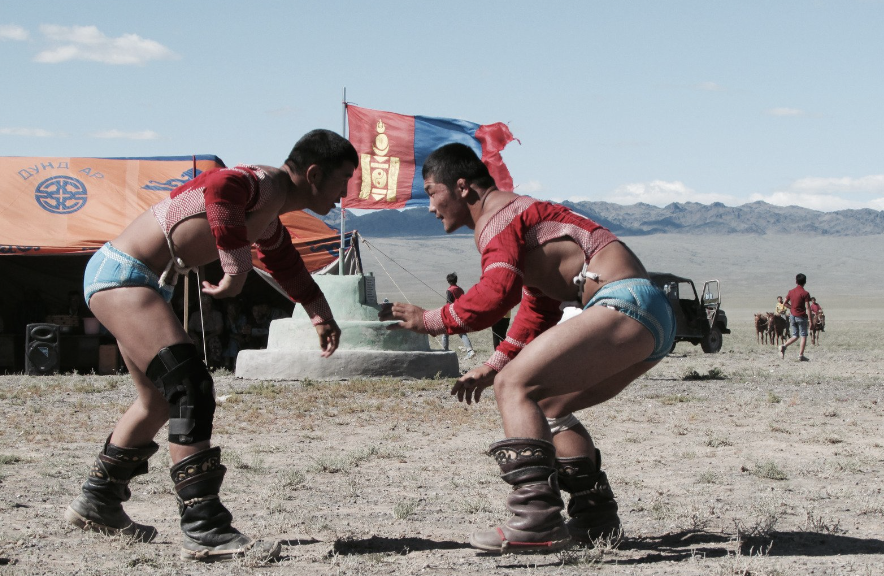
Wrestling is one of the most popular Naadam events. Unlike many wrestling competitions around the world, Mongolian wrestling has no weight classes and no time limits. Wrestlers wear traditional outfits and perform an eagle-like dance before and after each match.
The goal is simple: a wrestler loses if any part of the body other than the feet or hands touches the ground. The competition continues until one champion remains.
Horse Racing
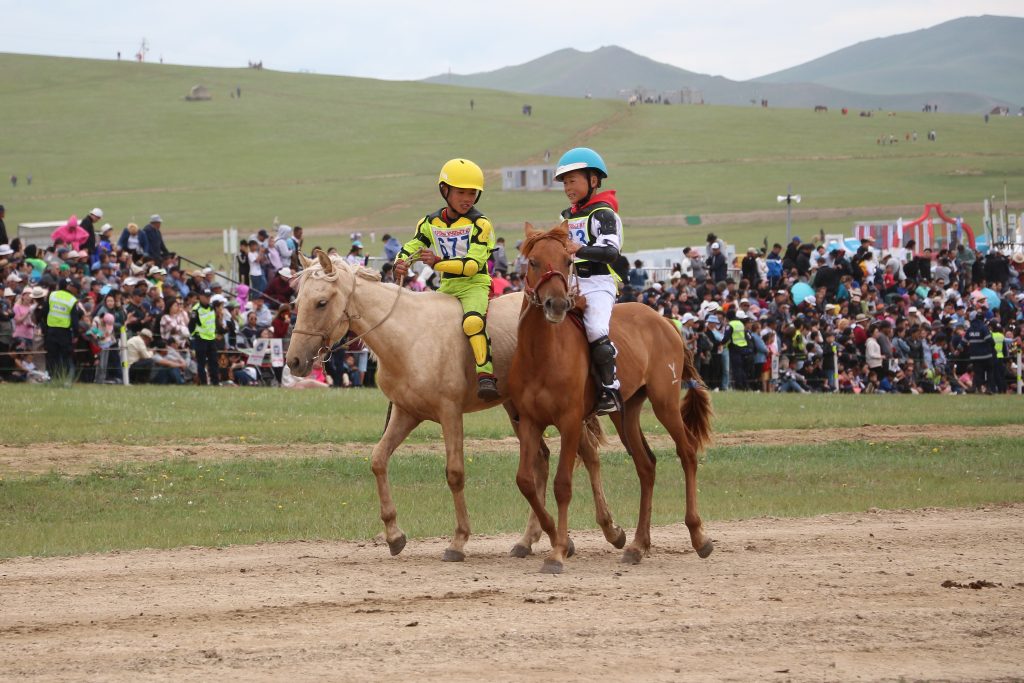
Horse racing during Naadam is very different from horse racing on a track. Races take place across long distances on the open steppe, reflecting Mongolia’s deep connection to horses and nomadic life.
The jockeys are usually children who often grow up riding horses from a young age. Horses are celebrated with songs, praise, and special attention before and after the race. In Mongolia, the horse’s strength, speed, and endurance are just as important as the rider’s skill.
Archery
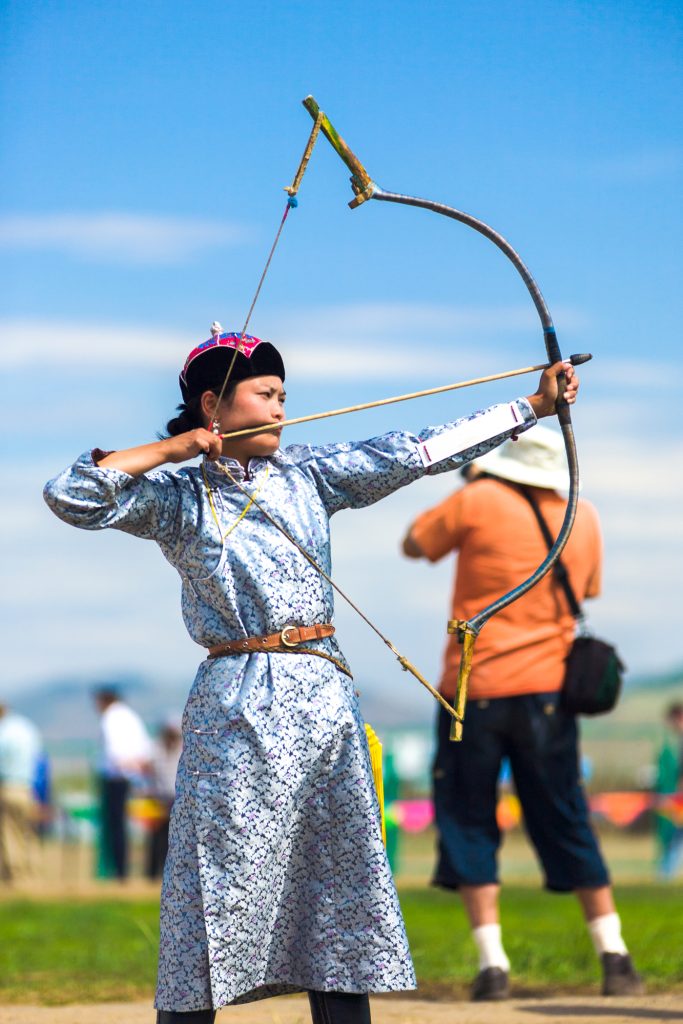
Archery has a long history in Mongolia and is another important Naadam tradition. Competitors use traditional bows and aim at small targets from a distance. Both men and women participate in archery events.
Archery connects today’s celebration with Mongolia’s past, when skill with a bow was important for hunting, protection, and survival on the steppe.
Traditional Clothing and Celebration
During Naadam, many people wear a deel, a traditional Mongolian robe. Deels can be simple or beautifully decorated, often made in bright colors and patterns. They are worn with a sash and sometimes paired with traditional boots and hats.
The opening ceremonies may include music, dancing, parades, and performances that honor Mongolian history and culture. These events help make Naadam feel like both a festival and a living history lesson.
Foods of Naadam
Food is an important part of the celebration. One popular Naadam food is khuushuur, a fried pastry filled with meat. Families and visitors often enjoy it while watching the games.
Other traditional foods and drinks may include dairy products, meat dishes, and airag, a fermented mare’s milk that is an important part of Mongolian food culture.
Why Naadam Matters
Naadam is more than a holiday. It is a celebration of Mongolia’s history, independence, and way of life. The festival honors skills that were important to nomadic communities for centuries: strength, endurance, courage, accuracy, and horsemanship.
For students, Naadam offers a meaningful way to explore how celebrations can teach us about a country’s geography, history, values, and traditions. It also helps children see that sports and festivals around the world often carry deep cultural meaning.
Classroom Connections
Naadam is a wonderful topic for global learning in the elementary classroom. Students can:
- Locate Mongolia on a map and identify its neighbors.
- Compare Naadam with another cultural festival or sporting event.
- Learn about the role of horses in Mongolian culture.
- Design a festival poster highlighting the three main Naadam events.
- Research traditional Mongolian clothing, food, music, or nomadic life.
- Discuss how festivals help preserve cultural traditions.
Kid-Friendly Discussion Questions
- What are the three main events of Naadam?
- How is Mongolian horse racing different from horse racing on a track?
- Why do you think horses are so important in Mongolian culture?
- What can festivals teach us about a country’s history and traditions?
- How is Naadam similar to or different from celebrations you know?
Learn More About Mongolia
Naadam gives students a colorful window into Mongolia’s culture, but it is only one part of this fascinating country. Continue exploring Mongolia through maps, photos, geography activities, traditional stories, animals, landmarks, and more.
Lit Connection:
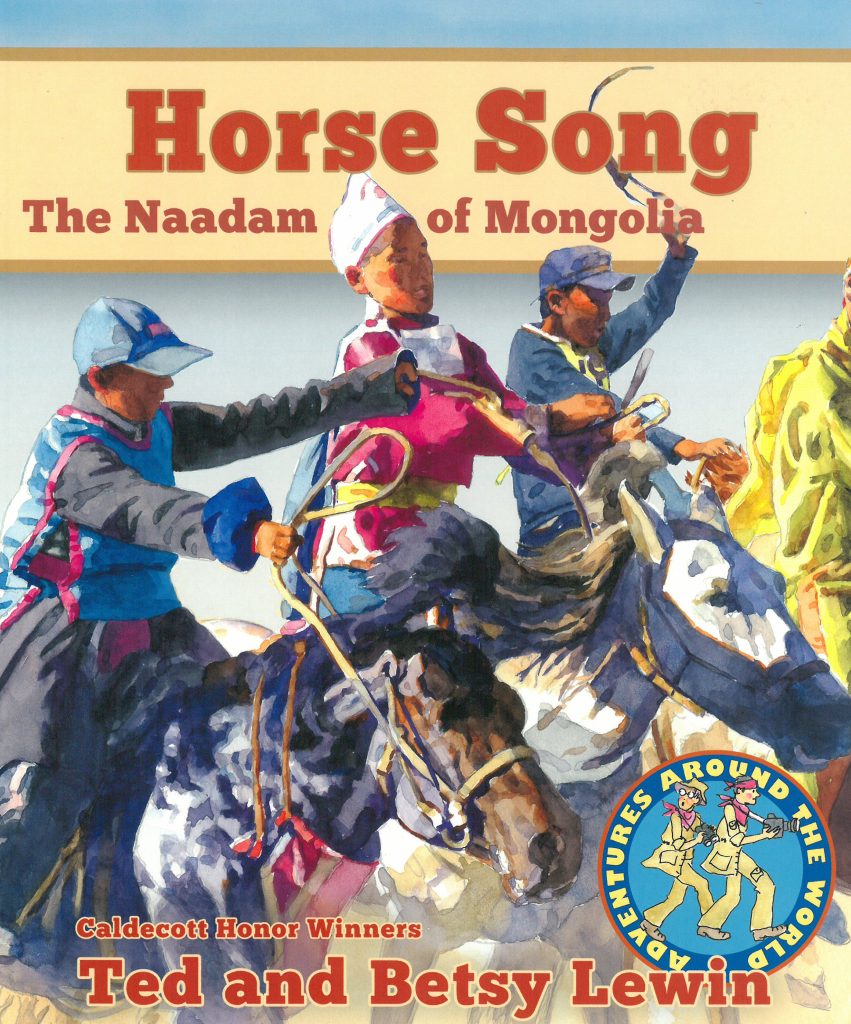
Horse Song: The Naadam of Mongolia Visiting a nomadic family of horse trainers in southern Mongolia, the Lewins join in the celebration of Naadam, the summer festival where boys and girls are the jockeys in traditional horse races across open desert.
Teachers Guide & Interviews – Lee & Low Books
Related Post