International Day of Friendship: Activities for Kids
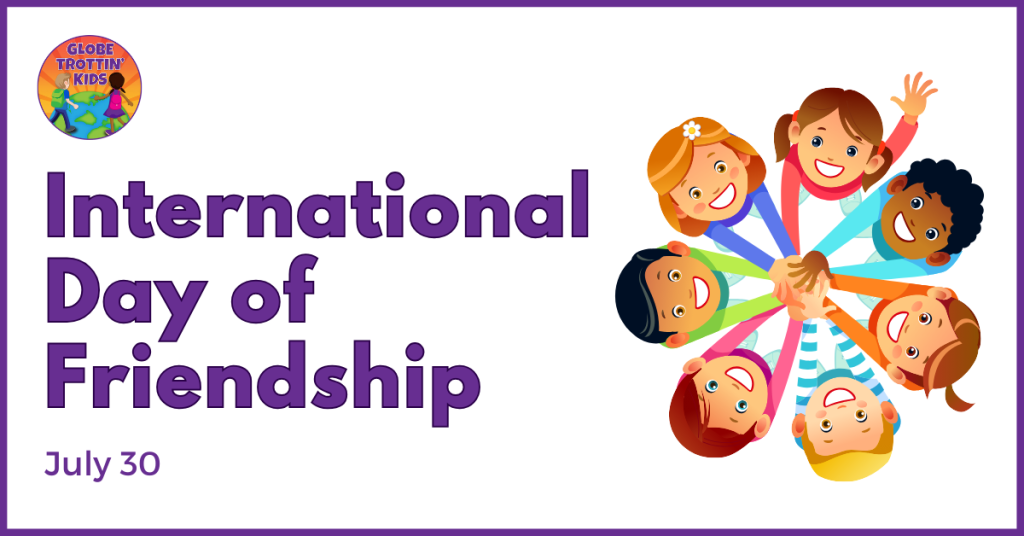
The International Day of Friendship is celebrated each year on July 30. Established by the United Nations in 2011, this special day reminds us that friendship can build bridges between people, communities, countries, and cultures.
For children, friendship is something they experience every day: sharing supplies, inviting someone to play, listening to a classmate, solving a disagreement, or learning about someone whose life is different from their own. The International Day of Friendship is a meaningful opportunity to help students practice kindness, empathy, cooperation, and respect for diversity.
Whether you are teaching in the classroom, planning a summer camp activity, or looking for a simple way to celebrate at home, these friendship activities encourage children to connect with others and think globally.
Disclosure: This post contains affiliate links. By clicking through and making a purchase, we receive a small commission at no extra charge to you. All proceeds help support our free global education website. Thank you!
Why Celebrate the International Day of Friendship?
Friendship helps children develop important social-emotional skills. Through friendships, kids learn how to communicate, take turns, solve problems, include others, and show care.
This day also connects beautifully to global learning. The United Nations created the International Day of Friendship with the idea that friendship among people, countries, and cultures can inspire peace and understanding. For kids, that big idea can begin in simple ways: learning someone’s name, asking questions with curiosity, respecting differences, and finding things they have in common with children around the world.
International Day of Friendship Activities for Kids
1. Friendship Circle Discussion
Gather students in a circle and invite them to reflect on what friendship means.
Discussion prompts:
- What makes someone a good friend?
- How can we include someone who feels left out?
- What is one kind thing a friend has done for you?
- How can friends solve a disagreement respectfully?
- What can we learn from having friends who are different from us?
Create a class anchor chart titled “Friendship Looks Like…” and add students’ ideas.
2. Friendship Around the World
Help students think about friendship as something shared by children everywhere. Choose a few countries to explore and invite students to compare how children might spend time with friends in different places.
Students can investigate:
- Popular games kids play
- Greetings in different languages
- School-day routines
- Favorite foods or celebrations
- Ways people show kindness
Then have students complete this sentence frame:
Friendship can look different around the world, but friends everywhere can __________.
3. Make Friendship Bracelets
Friendship bracelets are a classic symbol of connection. Students can make bracelets for a friend, family member, classmate, or someone they would like to get to know better.
To encourage inclusivity, invite students to create a bracelet for someone outside their usual friend group. Pair the bracelet with a short note that begins:
I appreciate you because…
4. Start a Pen Pal Exchange
A pen pal program is a wonderful way to build writing skills and expand students’ understanding of friendship beyond the classroom.
Students can write letters to another class, school, or community group. If possible, connect with a class in another state or country.
Letter ideas:
- Introduce yourself.
- Share your favorite game, book, food, or subject.
- Describe what friendship means to you.
- Ask respectful questions about your pen pal’s life and community.
- Share one thing about your culture or traditions.
5. Create a Friendship Scrapbook or Class Book
Invite students to contribute a page to a class friendship book. Each page can include a drawing, photo, short poem, quote, or memory about friendship.
Page prompts:
- A good friend is someone who…
- I can be a better friend by…
- One way to welcome a new student is…
- Friendship makes our classroom feel…
Bind the pages together and add the book to your classroom library.
6. Play Cooperative Games
Use games that require teamwork instead of competition. Cooperative games help students practice listening, problem-solving, patience, and encouragement.
Ideas:
- Build the tallest tower using limited supplies.
- Complete a partner drawing challenge.
- Work together to move a ball across the room without using hands.
- Play a group game from another country.
- Create a class mural with each student adding one part.
After the activity, ask:
What helped your group work well together?
7. Read Books About Friendship
Books are a powerful way to help children explore kindness, inclusion, empathy, and friendship across cultures.
After reading, invite students to discuss:
- How did the characters show friendship?
- What challenge did the friends face?
- How did the characters solve a problem?
- What lesson can we use in our own classroom?
You might also invite students to recommend favorite friendship books and create a display titled “Stories That Bring Us Together.”
8. Friendship Acts of Kindness Challenge
Create a simple challenge for the day or week. Students can complete small acts of kindness and reflect on how those actions affect others.
Kindness challenge ideas:
- Invite someone new to join a game.
- Give a sincere compliment.
- Help a classmate without being asked.
- Listen carefully when someone is speaking.
- Say hello in another language.
- Write a thank-you note.
- Include someone who is sitting alone.
End the challenge with a reflection:
How can small acts of friendship make our classroom, school, or world better?
A Simple Global Friendship Reflection
Invite students to complete one of these writing prompts:
- Friendship matters because…
- I can help build peace by…
- A good friend shows respect by…
- One way I can learn from someone different from me is…
- If kids around the world could send one friendship message, I think it would be…
Students can share their reflections aloud, display them on a bulletin board, or turn them into a class “Friendship Around the World” poster.
Celebrate Friendship Beyond July 30
The International Day of Friendship is a wonderful reminder that kindness and connection matter every day. When children learn to value friendship, include others, and respect differences, they are also building the skills they need to become caring global citizens.
Through stories, games, discussions, writing, and simple acts of kindness, students can discover that friendship is more than something we share with the people closest to us. It is a bridge that helps us understand and care about people everywhere.