The Twelve Days of Christmas Around the World
What do a stork in a baobab tree, a Canadian porcupine, a colorful piñata, and a New Zealand pūkeko have in common?
They’re all part of multicultural versions of the familiar Christmas carol, The Twelve Days of Christmas!
These picture books put a cultural twist on the traditional song, introducing children to fascinating animals, foods, languages, and customs from different parts of the world.
For elementary educators, they’re also a fun way to bring geography, literacy, music, and cultural learning together during the holiday season.
Let’s explore five versions of this holiday favorite and discover ways to extend the learning in your classroom!

Disclosure: This post contains affiliate links. If you make a purchase through these links, Globe Trottin’ Kids may receive a small commission at no additional cost to you. Your support helps keep our global education website free. Thank you!
The Story Behind The Twelve Days of Christmas
Did you know that the Twelve Days of Christmas traditionally begin on Christmas Day, December 25, and continue through January 5, the evening before Epiphany, in many Western Christian traditions?
The familiar English Christmas carol dates back centuries and is thought to have been enjoyed as a memory or counting game.
As each verse adds another gift, the song becomes increasingly challenging to remember!
Over time, authors and illustrators have created their own versions, replacing the traditional gifts with animals, foods, and cultural references from different places.
These imaginative adaptations offer wonderful opportunities to compare stories while discovering more about our world.
Five Multicultural Versions of The Twelve Days of Christmas
1. The Twelve Days of Christmas
Illustrated by Rachel Griffin | Traditional English carol
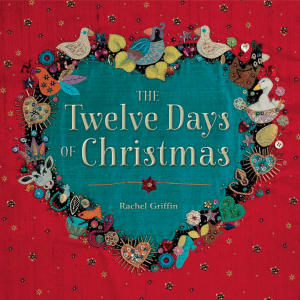
Rachel Griffin’s colorful fabric illustrations add a global perspective to the familiar verses, featuring characters and cultural details from around the world, including pipers from India and drummers from Malawi.
The book also includes background information about the history of the song and its gifts.
Explore the Story: Ask students to identify the twelve gifts and look closely at the illustrations. What details suggest different countries or cultures?
Extend the Learning: Math Challenge!
How many gifts are given throughout all twelve days?
Because each verse repeats the gifts from the previous days, the total is an astonishing 364 gifts!
Older students can investigate the number patterns or explore the PNC Christmas Price Index, which calculates the changing cost of the gifts in the song.
Younger students can practice counting, sequencing, and recognizing patterns.
2. A Stork in a Baobab Tree: An African Twelve Days of Christmas
By Catherine House, illustrated by Polly Alakija | Africa
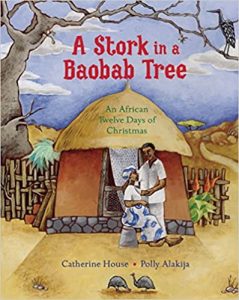
Travel across the African continent with this colorful adaptation featuring twelve countries and the people, objects, and activities associated with them.
Readers encounter storytellers, market traders, drummers, woven baskets, and the magnificent baobab tree.
The illustrations and accompanying information provide opportunities to discover cultural traditions and everyday life in different African communities.
Did You Know?
The African baobab is sometimes called the Tree of Life. It can store large amounts of water in its trunk and provides food and other useful resources for people and wildlife. Discover more.
Extend the Learning: African Geography
Locate the African continent on a world map and identify some of the countries featured in the book.
Choose one illustration to investigate more closely. What does it reveal about the environment or cultural traditions of that place?
3. A Porcupine in a Pine Tree: A Canadian Twelve Days of Christmas
By Helaine Becker, illustrated by Werner Zimmermann | Canada
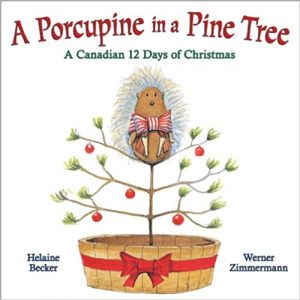
A porcupine replaces the familiar partridge in this humorous Canadian version.
From sled dogs and curling squirrels to hockey’s Stanley Cup, the book introduces readers to some of Canada’s animals, sports, and recognizable symbols.
Did You Know?
Curling is a popular winter sport in Canada in which players slide heavy stones across the ice toward a target. Teams use special brushes to influence how far the stones travel.
Extend the Learning: Canadian Symbols
Invite students to choose an animal, sport, or landmark featured in the story and research its connection to Canada.
Students can then illustrate their discoveries or create a new page featuring another Canadian symbol.
4. A Piñata in a Pine Tree: A Latino Twelve Days of Christmas
By Pat Mora, illustrated by Magaly Morales | Latino Christmas traditions
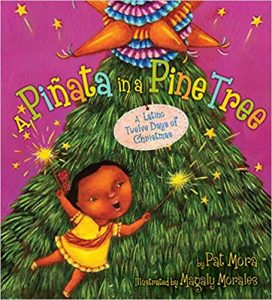
This bilingual adaptation combines the familiar rhythm of the song with Spanish vocabulary and festive traditions inspired by Latino communities.
A young girl receives gifts from a mysterious amiga (friend), including traditional foods, decorations, and playful holiday surprises.
With counting opportunities, colorful illustrations, and a Spanish pronunciation guide, this book is especially engaging for elementary readers.
Did You Know?
In Mexico, many families celebrate Las Posadas from December 16–24. These gatherings often include music, special foods, and piñatas.
Extend the Learning: Spanish Language & Counting
Have students listen for Spanish number words as you read. Create a class chart showing the numbers from one to twelve in English and Spanish.
For an additional cultural connection, explore how families celebrate Christmas in Mexico and other Latin American communities.
Explore Las Posadas – Smithsonian Folklife
Discover More Latino Christmas Picture Books – Colorín Colorado
5. A Pukeko in a Ponga Tree: The Twelve Days of Christmas
Adapted by Kingi M. Ihaka, illustrated by Dick Frizzell | Aotearoa New Zealand
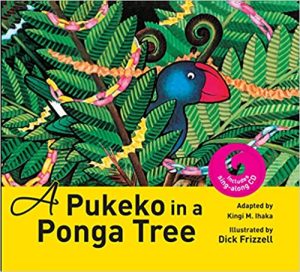
A purple-blue pūkeko bird takes center stage in this lively New Zealand adaptation featuring Māori words, local wildlife, traditional foods, and cultural references.
Readers encounter unfamiliar vocabulary and colorful illustrations that invite them to explore the language and environment of Aotearoa New Zealand.
Did You Know?
A pūkeko is a colorful wetland bird commonly seen in New Zealand. A ponga is a type of tree fern.
Extend the Learning: Words, Pictures & Meaning
As you read, challenge students to use illustrations and context clues to predict the meanings of unfamiliar words.
Then explore their meanings using the book’s vocabulary and other trusted sources.
Discuss how learning words from another language can help us better understand a place and its culture.
Explore Māori Vocabulary and Song Background – Mama Lisa’s World
Bring the Books Together: Classroom Activities
After exploring two or more versions, use these activities to deepen students’ understanding and strengthen their literacy and geography skills.
⦿ Map the Stories
Display a world map and locate the places represented in the books.
Ask students to identify continents, countries, and oceans, then discuss how the environments and cultural references differ.
For the African and Latino adaptations, identify specific countries or regions mentioned in the stories rather than treating an entire continent or cultural group as one place.
⦿ Compare and Contrast the Books
Choose two versions and create a class Venn diagram or comparison chart.
Consider:
- Which animals, foods, and traditions appear in each story?
- What similarities and differences do you notice in the illustrations?
- How does each author change the original song to reflect a different place or culture?
- What new questions do the stories inspire?
Encourage students to support their observations with examples from the books.
⦿ Create a Twelve Days of Christmas Around the World Chart
Divide a sheet of paper into three columns:
Place | Cultural Detail | Something I Learned
As you read, have students record interesting discoveries and illustrations.
Afterward, let them choose one detail to investigate further using books, maps, or reliable websites.
⦿ Write Your Own Twelve Days Song
Invite students to create an original version featuring familiar places, animals, landmarks, or local traditions.
They might write The Twelve Days of Colorado, The Twelve Days of Our Community, or a version inspired by a country they’re studying.
Encourage thoughtful research and accurate cultural details rather than relying on stereotypes.
Students can illustrate their verses and combine them into a class book!
⦿ Explore the Music and Mathematics
The repeating verses make this song especially useful for practicing sequencing, predicting, counting, and recognizing patterns.
Have students arrange illustrations of the gifts in order or challenge older students to calculate the total gifts received.
For a music connection, compare the rhythm and wording of two versions. What stays the same, and what changes?
Keep Exploring Christmas Around the World
Looking for more ways to connect holiday traditions with geography and global learning?
Map the Story: A World of Cookies for Santa
Take a delicious journey through Christmas traditions around the world with a picture book and free mapping activity.
Jólabókaflóð: An Icelandic Christmas Book Flood
Discover Iceland’s Christmas Eve book-giving tradition and its connection to family, storytelling, and reading.
Children’s Books About Holidays Around the World
Explore more multicultural picture books featuring Christmas, Hanukkah, Kwanzaa, New Year, and other celebrations.