Teach Kindness in Your Classroom: Books & Activities
Kindness is something children can learn, practice, and strengthen – just like any other skill.
Instead of limiting kindness activities to one special day or week, find simple ways to weave empathy, compassion, inclusion, and helpfulness into classroom life year-round.
Books, discussions, classroom routines, and small acts of service can help students recognize how their words and actions affect others. They also reinforce an important part of becoming a citizen of the world: caring about people both within our own communities and beyond them.

Disclosure: This post contains affiliate links. If you make a purchase through these links, Globe Trottin’ Kids may receive a small commission at no additional cost to you. Your support helps keep our global education website free. Thank you!
Start With a Conversation About Kindness
Begin by asking students:
- What does kindness look like?
- What does kindness sound like?
- How does it feel when someone is kind to you?
- Can something small make a big difference?
- Is it always easy to be kind?
- How can we show kindness to someone different from us?
Encourage students to move beyond simply saying “be nice” and identify specific actions such as including someone, listening carefully, helping without being asked, standing up for someone, sharing, apologizing, or showing patience.
Watch: Color Your World With Kindness
This short, wordless animated video from A Better World demonstrates how one small act can affect another person – and begin a ripple of positive actions.
After watching, ask:
What changed after the first kind act? How did one person’s actions influence others?
Challenge students to look for similar “ripples” in their own classroom or community.
Picture Books That Explore Kindness
Read-alouds provide a natural way to explore empathy, relationships, choices, and the consequences of our actions.
What Does It Mean to Be Kind? by Rana DiOrio
This picture book explores the many ways children can show kindness – to other people, animals, the environment, and themselves.

The publisher’s free Discussion and Activity Guide includes ideas for building background knowledge, exploring vocabulary, discussing the author’s message, and creating a kindness action plan.
The Power of One: Every Act of Kindness Counts by Trudy Ludwig
One child reaches out to someone alone, setting off a chain of positive actions throughout a school and community. It is especially useful for discussing the idea that small choices can have a much larger impact.

An accompanying Educator and Community Guide provides additional discussion and activity ideas.
25 Mighty Girl Picture Books About Kindness and Empathy
Make Kindness Part of Your Classroom Routine
Kindness is most meaningful when students have opportunities to practice it regularly rather than only during a special celebration.
Morning Meeting
Include an occasional kindness prompt:
- Tell about a time someone helped you.
- How could you help someone new to our class?
- What is one way you could make someone’s day easier?
- What does it mean to include someone?
- What could you do if you notice someone sitting alone?
Notice Kindness
Create a classroom space for students to recognize thoughtful actions they observe. Instead of writing only “Maya was kind,” encourage students to be specific: “Maya noticed I didn’t have a partner and invited me to work with her.” This helps children recognize what kindness actually looks like in everyday life.
Try a Weekly Kindness Challenge
Choose one simple focus each week:
- Include someone.
- Give a sincere compliment.
- Help without being asked.
- Thank someone who helps your school.
- Listen without interrupting.
- Take care of a shared space.
- Invite someone new to join you.
At the end of the week, reflect together: What happened because of our actions?
Keep a Kindness Journal
Students can occasionally respond to prompts such as:
Today someone helped me when…
I helped someone by…
One kind choice I noticed today was…
Tomorrow I could…
The goal is reflection rather than collecting points or rewards. Help students notice the effect their actions have on other people.
Connect Kindness to Global Citizenship
Kindness offers a natural bridge to global learning.
Being a citizen of the world means recognizing that people everywhere deserve dignity, respect, and care—even when their language, traditions, experiences, or perspectives are different from our own.
Try one of these activities:
Create a Kindness Around the World Map
As students encounter examples of cooperation, generosity, welcoming, environmental care, or community service in books and lessons, locate the places on a world map.
Over time, the map can become a visual reminder that people around the world find many different ways to care for one another and their communities.
Explore Stories From Different Cultures
Choose picture books featuring characters and communities from different parts of the world. Discuss:
How did the characters care for one another?
What challenges did they face?
What did we learn about their lives?
What similarities do we notice with our own experiences?
Turn Caring Into Action
Identify a genuine classroom, school, or community need and brainstorm ways students can help.
The action doesn’t need to be large. Writing thank-you notes to school staff, welcoming new students, collecting needed supplies, caring for a school garden, or reducing waste can all demonstrate that small actions matter.
When participating in service projects, help children think not only about helping but also about listening, respecting people’s dignity, and understanding what a community actually needs.
Kindness Resources for Elementary Classrooms
Kind Kids Activity Deck
The Barefoot Books Kind Kids Activity Deck includes 50 games, crafts, mindfulness exercises, and activities designed to encourage empathy, respect, and caring.
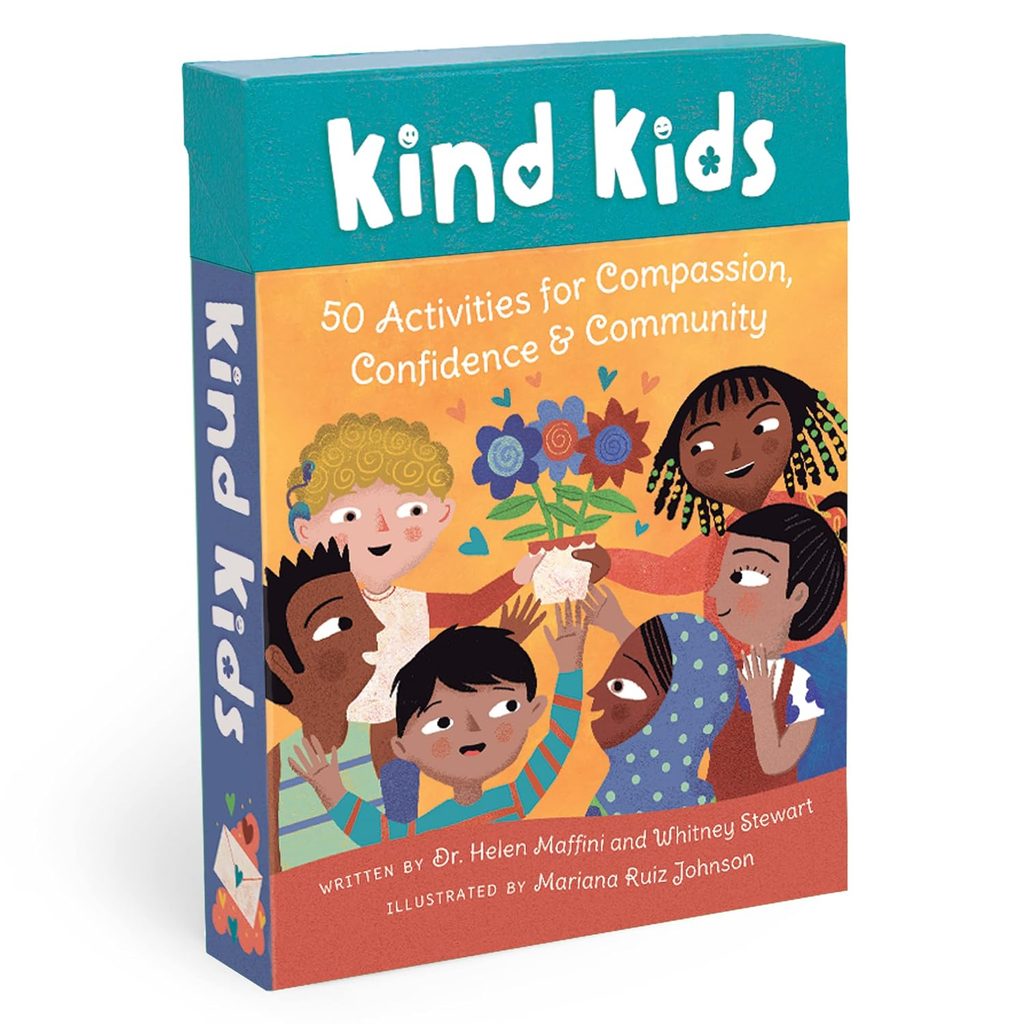
The accompanying free classroom resource includes several ways to incorporate the activities into everyday classroom routines.
The Be Kind People Project
The Be Kind People Project offers resources designed to help schools build positive, respectful learning communities.

The Great Kindness Challenge
The Great Kindness Challenge is a free schoolwide program that encourages students to complete acts of kindness and build a more caring school culture.

Schools can register to access free tools and activity ideas.
The Kindness Rocks Project
Students decorate rocks with encouraging words or pictures and place them where others can discover them.

Extend the activity by asking students to think about the message they want someone else to receive and why it might matter.
Classroom Kindness Kit
Multicultural Children’s Book Day offers a Classroom Kindness Kit featuring book suggestions, activities, and classroom resources.
Random Acts of Kindness Foundation
The Random Acts of Kindness Foundation offers an extensive collection of free school resources, including:
- K–8 lesson plans
- kindness calendars
- posters
- bookmarks
- coloring pages
- kindness bingo
- classroom activities
- kindness challenges
These resources are useful well beyond Random Acts of Kindness Week.
Kindness Events for the 2026–2027 School Year
November 13, 2026 World Kindness Day
Use the day to begin a discussion, read a kindness-themed book, or challenge students to complete one meaningful act for someone else.
January 25–29, 2027 The Great Kindness Challenge
Participating schools and classrooms spend the week completing intentional acts of kindness and strengthening their school community.
February 14–20, 2027 Random Acts of Kindness Week
Use the week to emphasize that small, thoughtful choices can become everyday habits.
February 17, 2027 Random Acts of Kindness Day
Challenge students to intentionally do something thoughtful for another person and reflect on what happened afterward.
Keep the Ripple Going
Special days are wonderful reminders, but kindness doesn’t need to be an event on the classroom calendar.
A welcoming smile. An invitation to join a game. Listening to someone else’s point of view. Helping a classmate. Taking care of the environment. Standing beside someone who needs support.
These small choices give children opportunities to practice empathy and discover something powerful:
Their actions matter.
And when children learn to care about the people around them – and people whose lives may look very different from their own – they take another important step toward becoming thoughtful, compassionate citizens of the world.
How will your class create a ripple of kindness this year?