Tanabata for Kids: Explore Japan’s Star Festival with Activities
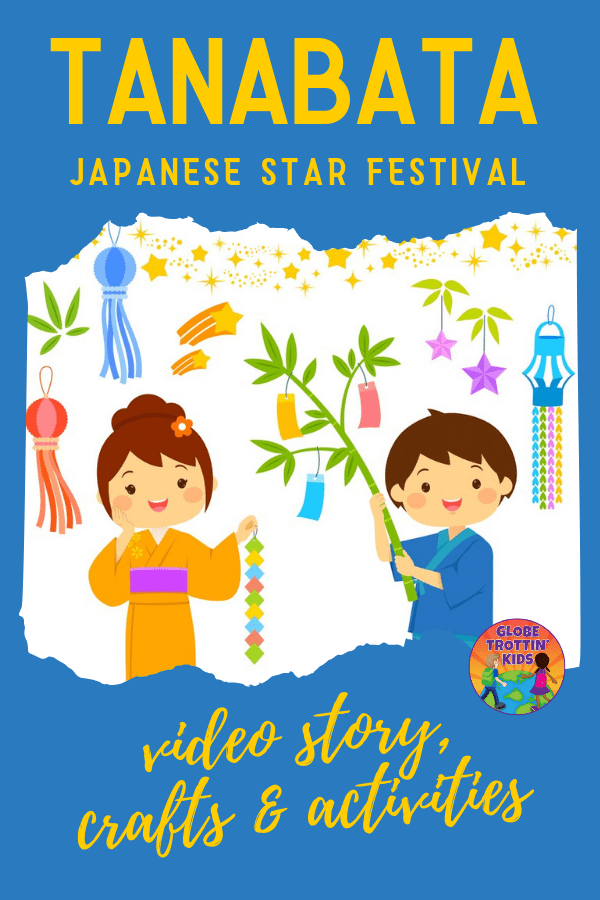
Every summer in Japan, colorful paper wishes flutter from bamboo branches during Tanabata, also known as the Star Festival. This beautiful celebration invites children to explore Japanese culture through storytelling, stars, wishes, music, art, and tradition.
Tanabata is a wonderful way to bring global learning into the classroom or home. Students can learn the legend of Orihime and Hikoboshi, make their own tanzaku wish strips, compare festivals across Asia, and reflect on homes and dreams for the future.
Japan’s Star Festival is commonly celebrated on July 7, but some regional festivals are held in August. The Sendai Tanabata Festival, one of Japan’s most famous celebrations, is held August 6-8.
Tanabata is originally based on a Chinese legend. It celebrates the meeting of two stars that the Milky Way usually separates and, according to legend, are allowed to meet only once a year: on the seventh day of the seventh lunar month. Find out why in this video story.
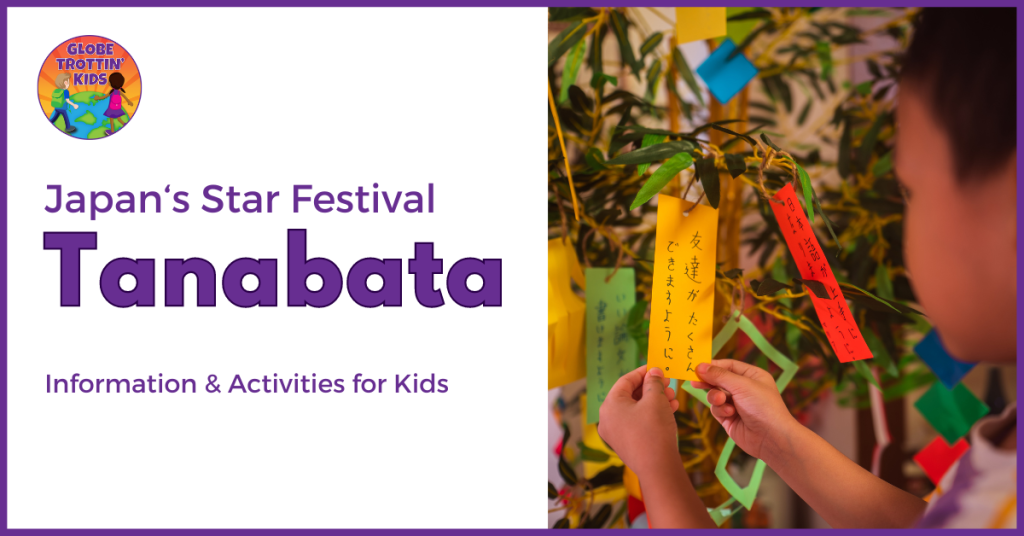
People celebrate by writing their wishes on small pieces of paper (called tanzaku) and hanging them on bamboo branches, hoping they will come true.
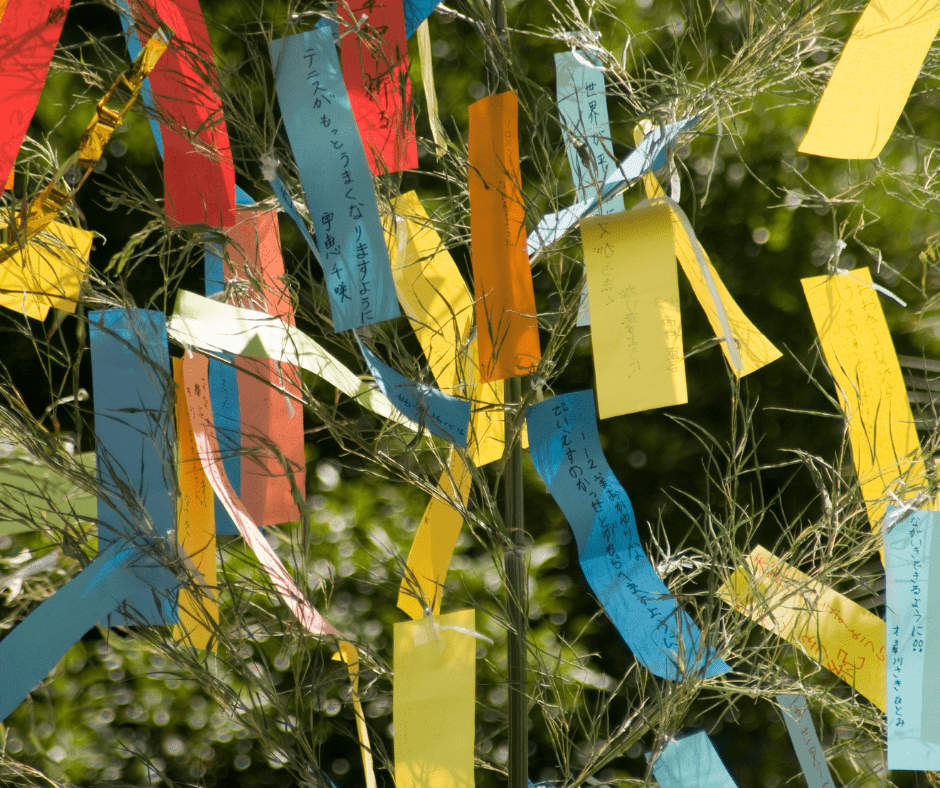
Other decorations, including origami designs and colorful streamers, may also be part of the display.
Popular foods include takoyaki (round dough balls), okonomiyaki (savory pancake), yakisoba (fried noodles with pork and cabbage), and yakitori (grilled chicken).
Tanabata Discussion Questions
- Why do you think wishes are an important part of Tanabata?
- What does the story of Orihime and Hikoboshi teach about love, responsibility, or patience?
- How is Tanabata similar to or different from holidays you celebrate?
- Why might people use stars, bamboo, and paper wishes as symbols?
- What wish would you write for yourself, your family, your community, or the world?
Tanabata Activities for Kids
1. Make Tanzaku Wishes
Give students colorful paper strips and invite them to write or draw a wish, goal, or hope. Hang the tanzaku on a branch, bulletin board, or paper bamboo display.
2. Retell the Star Festival Story
After learning about Orihime and Hikoboshi, students can retell the story with a beginning, middle, and end. Older students can compare the legend to another folktale or star story from around the world.
3. Create a Tanabata Bulletin Board
Make a class display with paper stars, bamboo leaves, streamers, and student wishes. Title it “Our Wishes Under the Stars” or “Tanabata: Japan’s Star Festival.”
4. Map It!
Locate Japan on a world map. Then find Sendai, a city known for one of Japan’s largest Tanabata festivals.
Visit our Japan profile page for a detailed map, informational video, photo gallery, infographic, activities, and more.
5. Compare Festivals Across Asia
Introduce students to related celebrations such as Qixi in China, Chilseok in South Korea, and Thất Tịch in Vietnam. Have students compare the dates, stories, traditions, and symbols.
6. Connect to Science
Explore the night sky by learning about the Milky Way, Vega, and Altair. Students can draw a simple night-sky scene inspired by the Tanabata legend.
7. Write a Wish Poem
Invite students to turn their tanzaku wish into a short poem. This works well as a quiet reflection activity or poetry center.
8. Try Star Festival Origami
Directions for making stars, streamers, ornaments, and more. The Orihime and Hikoboshi origami dolls are adorable!
9. Find teaching ideas, crafts, songs, videos, and worksheets from Japanese Teaching Ideas.
10 Listen to Tanabata-sama: A Japanese Folk Song
Tanabata is more than a beautiful summer festival. It is a celebration of story, hope, creativity, and connection. Whether students are writing wishes on tanzaku, exploring Japan on a map, comparing festivals across Asia, or looking up at the stars, Tanabata offers a memorable way to bring global learning to life.
Teacher Tip: Tanabata is a meaningful addition to a unit on Japan, summer festivals, folktales, world holidays, or astronomy. It also works well as a beginning-of-year hopes and goals activity if you connect tanzaku wishes to classroom community.
Continue Exploring Japan
Engage students in a country research project.
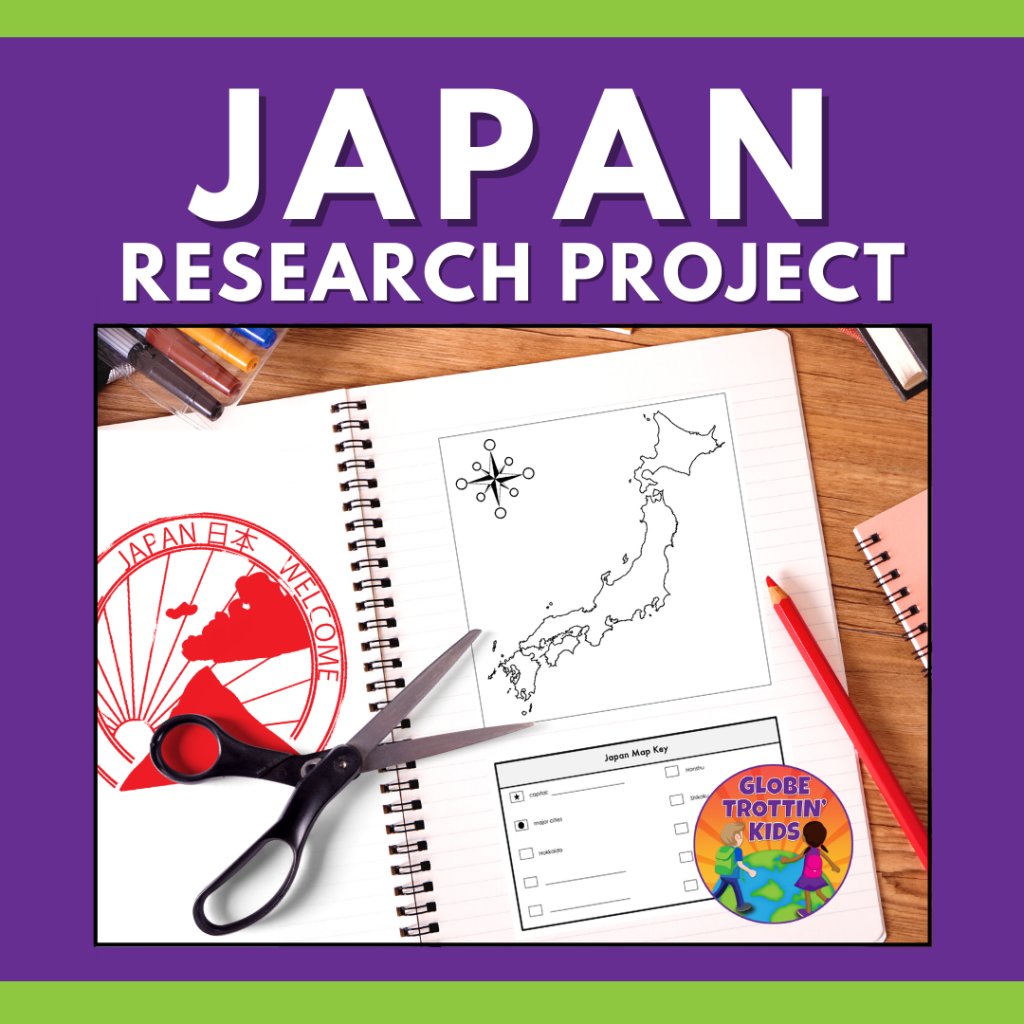
Using a Draft Book, students are guided through the research process and complete a variety of graphic organizers as they learn about the geography and culture of Japan. Project templates are created to share their discoveries through an interactive notebook or presentation board.
Learn about other Japanese celebrations.
March 3 Hina Matsuri: Japanese Doll Festival
November 15 Shichi-Go-San: A Traditional Japanese Birthday Celebration